Researchers Warn of Unregulated Risks from Genetically Modified Microorganisms
03/22/2026 / By Coco Somers
Introduction
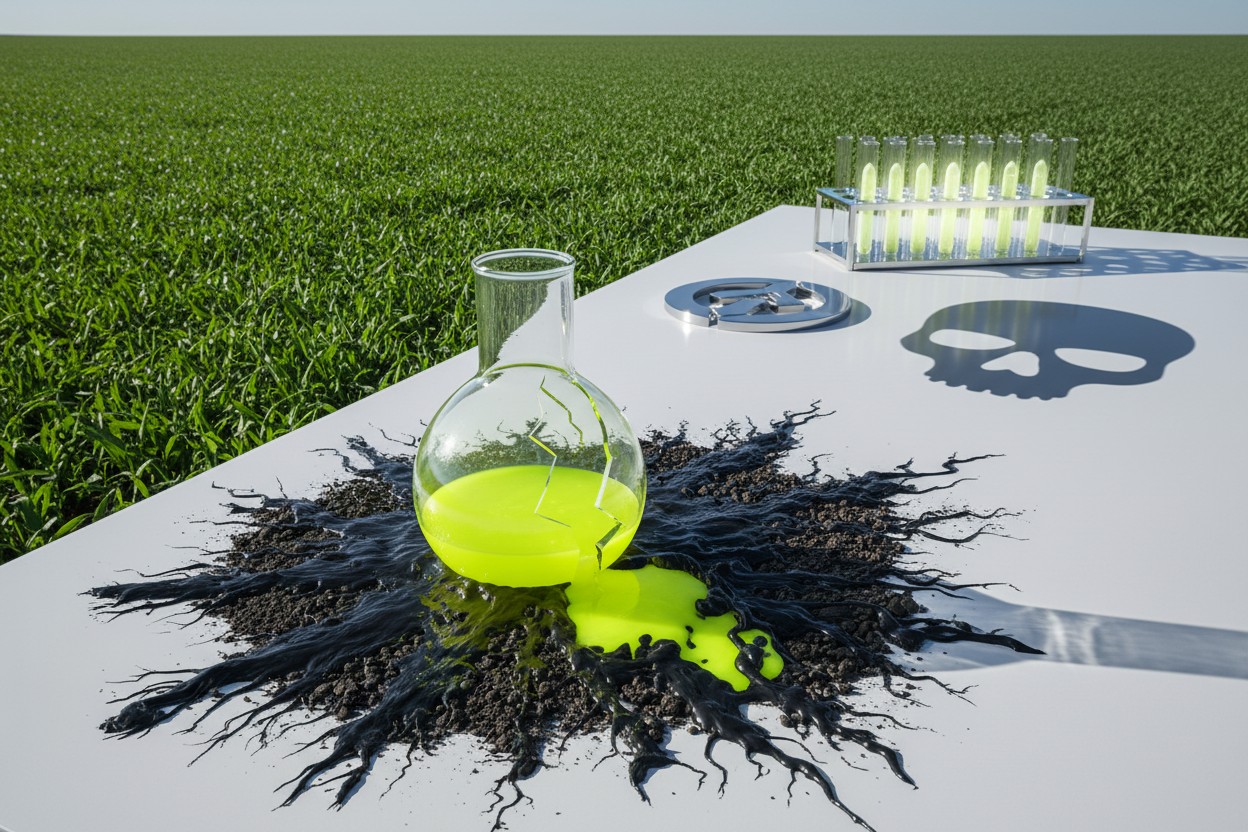
An international team of researchers warns that the accelerating release of genetically modified microorganisms (GMMs) into the environment presents unique, long-term hazards to human health and soil ecosystems, according to a recent review published in the journal Microorganisms. The analysis states that current regulatory frameworks, particularly in the United States, are inadequate for tracking or assessing these biological agents, which are already deployed across millions of agricultural acres. [1]
The authors, from institutions in the U.S., Israel and Australia, argue that GMMs represent a distinct category of risk because they are self-replicating, capable of rapid mutation, and can transfer genes to native organisms. ‘This puts human and environmental health at risk. Worst-case scenarios include the promotion of diseases, risks to species survival, and damaged or collapsed ecosystems,’ the researchers wrote. [1]
New Review Highlights Risks of Engineered Microbes
The review, published in March 2026, concludes that the proliferation of genetic engineering has “accelerated the creation and large-scale environmental release” of GMMs. [1] Researchers point out that this expansion is not merely theoretical; commercial products containing GMMs are already in wide use.
Companies like Pivot Bio and Bayer have publicly announced the deployment of GMMs on a massive scale. Pivot Bio’s product, Proven®, involves ‘GM bacteria on nearly 5 million acres, with as many as 5 trillion microbes per acre,’ according to the review. Bayer, and now BASF, market a seed treatment called Poncho®/VOTiVO® 2.0 containing genetically modified Bacillus thuringiensis. [1] The global market for such agricultural biologicals was valued at $10.25 billion in 2021 and is predicted to nearly triple by 2029, signaling a rapid increase in GMM applications. [1]
Unique Hazards and Regulatory Deficiencies
The researchers identify at least five unique characteristics of microbes that make GMMs harder to regulate – and potentially more impactful – than genetically modified plants and animals. These traits include rapid replication, challenges with containment, the potential for horizontal gene transfer, the critical role of microbiomes to life and the vast unknown complexity of microbial ecosystems. [1] Scientists have identified only about one percent of an estimated one trillion microbes on the planet. [1]
The review notes: “In the US, GMMs for commercial use are primarily regulated by the Environmental Protection Agency (EPA) as toxic substances, which is ill-suited for biological organisms.” [1] The EPA regulates them under the Toxic Substances Control Act (TSCA), a law designed for industrial chemicals, which only requires a 90-day premanufacture notice. [1] Furthermore, “most other GMMs, including those produced by formal and informal research, students and home hobbyists, are unregulated and untracked.” [1]
The regulatory approach is criticized as being based on “policies created prior to genetic engineering technology [that] are criticized as inadequate.” [1] This gap exists even as genetic editing technologies like CRISPR-Cas9 advance, which the review notes ’causes significant unpredictable changes in the genome, including additions, deletions, chromosomal shattering and widespread mutations that do not occur naturally.’ [1]
Potential Threats to Human Health Systems
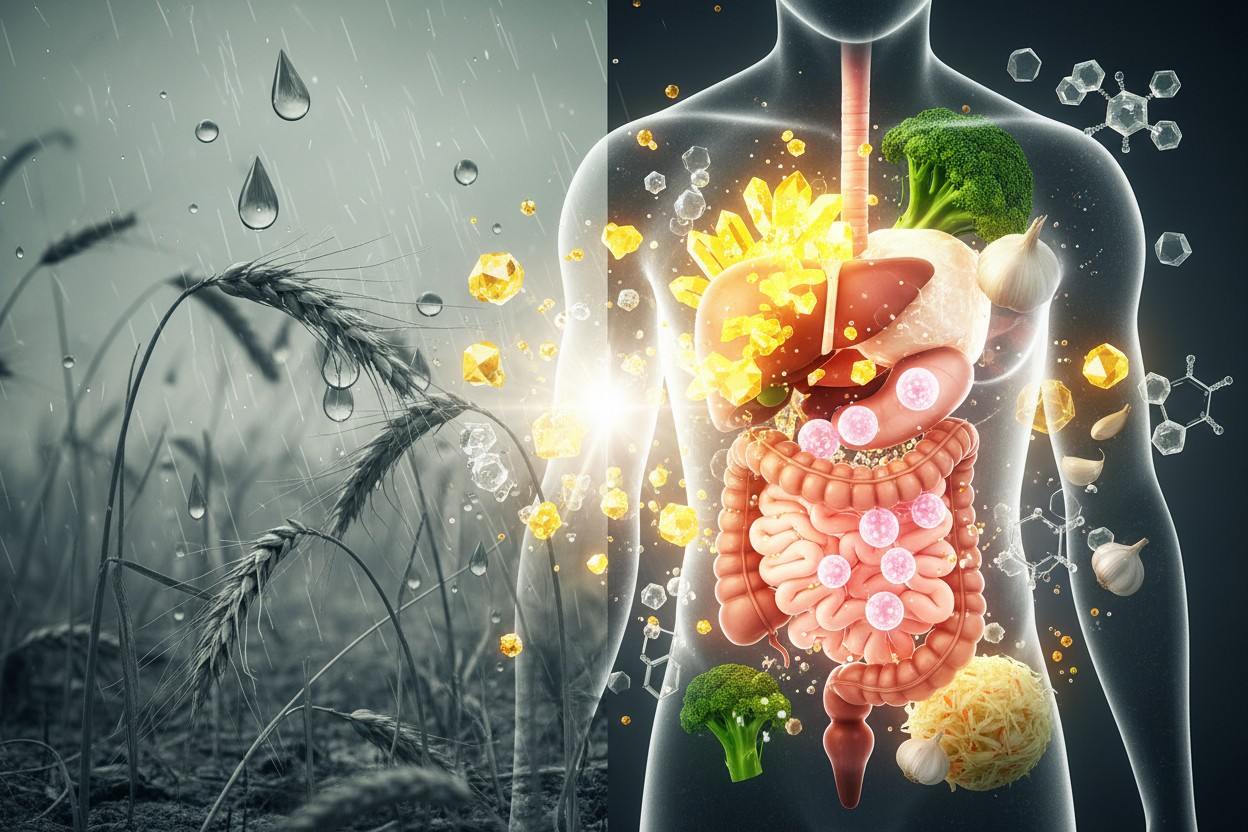
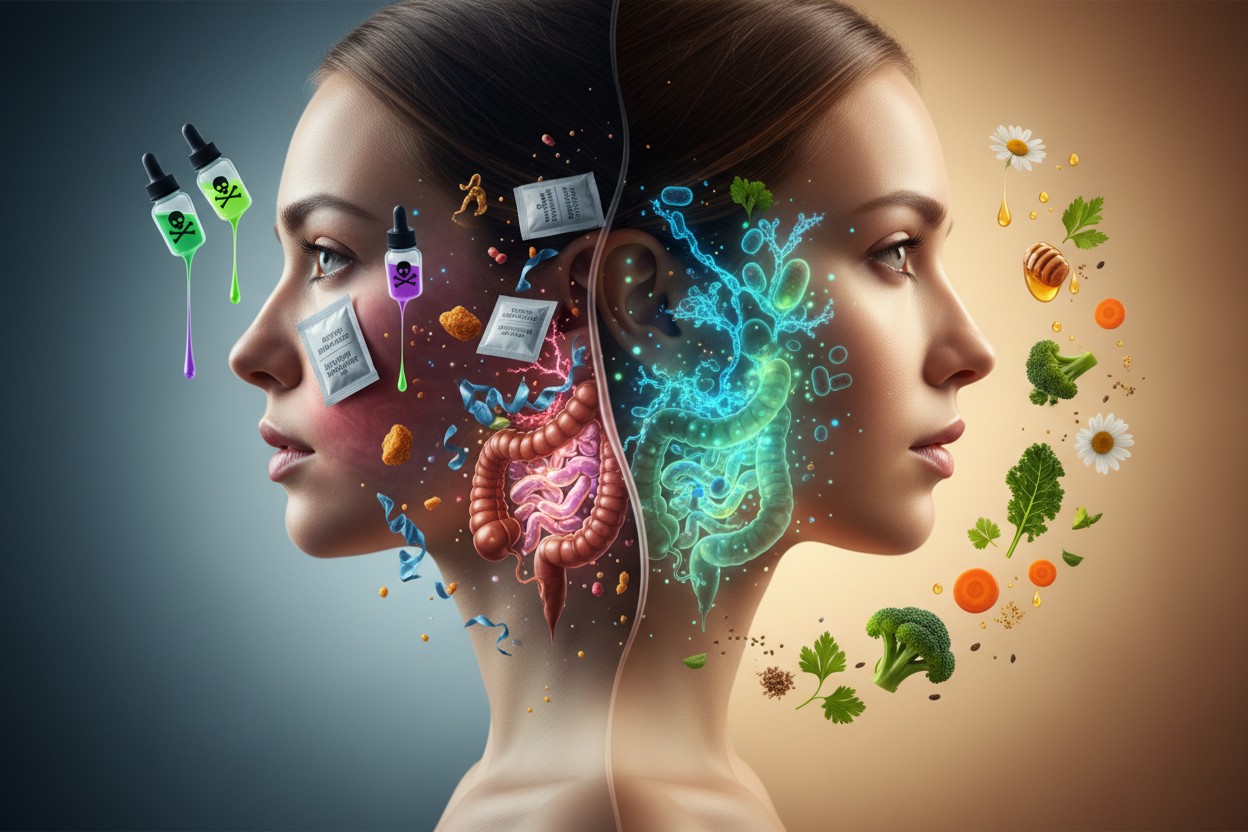
The analysis details specific risks GMMs pose to human health, primarily through disruption of critical microbiomes. The gut microbiome, essential for nutrient absorption, immune function, metabolism and neurological health, is a primary concern. “GMMs can cause imbalances in the gut microbiome, promoting disease within the gastrointestinal system,” the authors state. [1]
Infant health is cited as particularly vulnerable. “The first three years of life are key in terms of the development of the host-microbe interactions, which directly impact the development of the baby’s immune system, gut health and neurological development,” according to the review. [1] Disruption during this formative period could have lifelong consequences for immune function and disease susceptibility.
The oral microbiome, the second-most biodiverse in the human body, is another point of vulnerability. The review states, “When balanced, the oral microbiome prevents disease, resists pathogenic infections, provides multi-layer immune defenses, and reduces inflammation.” However, an imbalanced oral microbiome “increases the risk of heart attack by nearly 50%” and has been implicated in “brain inflammation, lung infections, diabetes, head and neck cancers, preterm birth and inflammatory joint disease.” [1]
Risks to Soil Ecosystems and Agricultural Systems
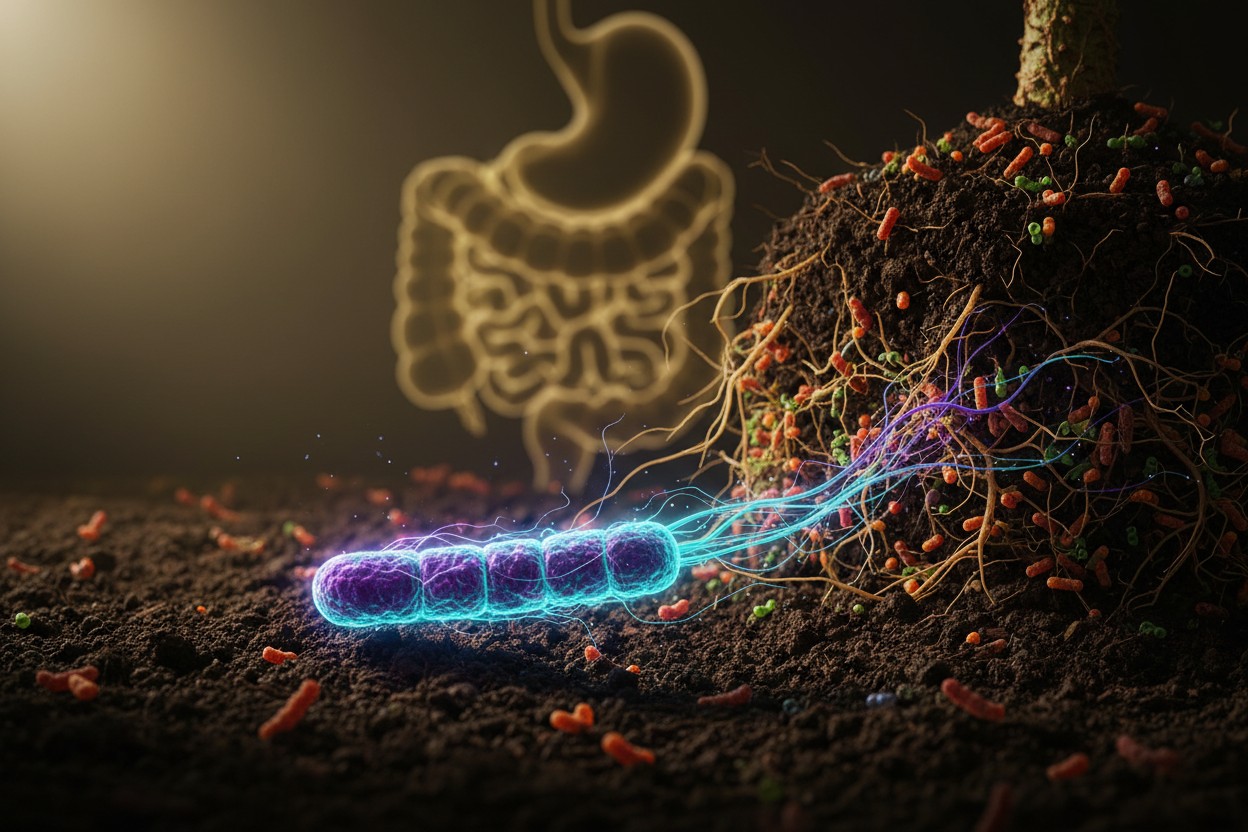
Soil microbiomes perform crucial functions such as nutrient cycling, organic matter breakdown, nitrogen fixation and soil structure formation. The review warns that ‘introducing the unpredictable element of genetically modified microbes… into ecosystems already under considerable stress introduces exceptionally high risks.’ [1] Risks include heightened pathogenicity, the emergence of new pests or weeds and the development of resistance.
The authors draw a parallel to the well-documented problem of herbicide-resistant “super weeds,” which emerged as a natural evolutionary response to genetically modified, herbicide-tolerant crops. [1] They warn that a similar but faster process could occur with microbes: “Depending on the type of GM microbes… it is likely that the selection of super microbes will happen at a much faster rate than what we observed in super weed plants.” [1] This could be driven by horizontal gene transfer, where a modified gene from a GMM is transferred to a native soil microbe, “altering its genome and its ecological niche.” [1]
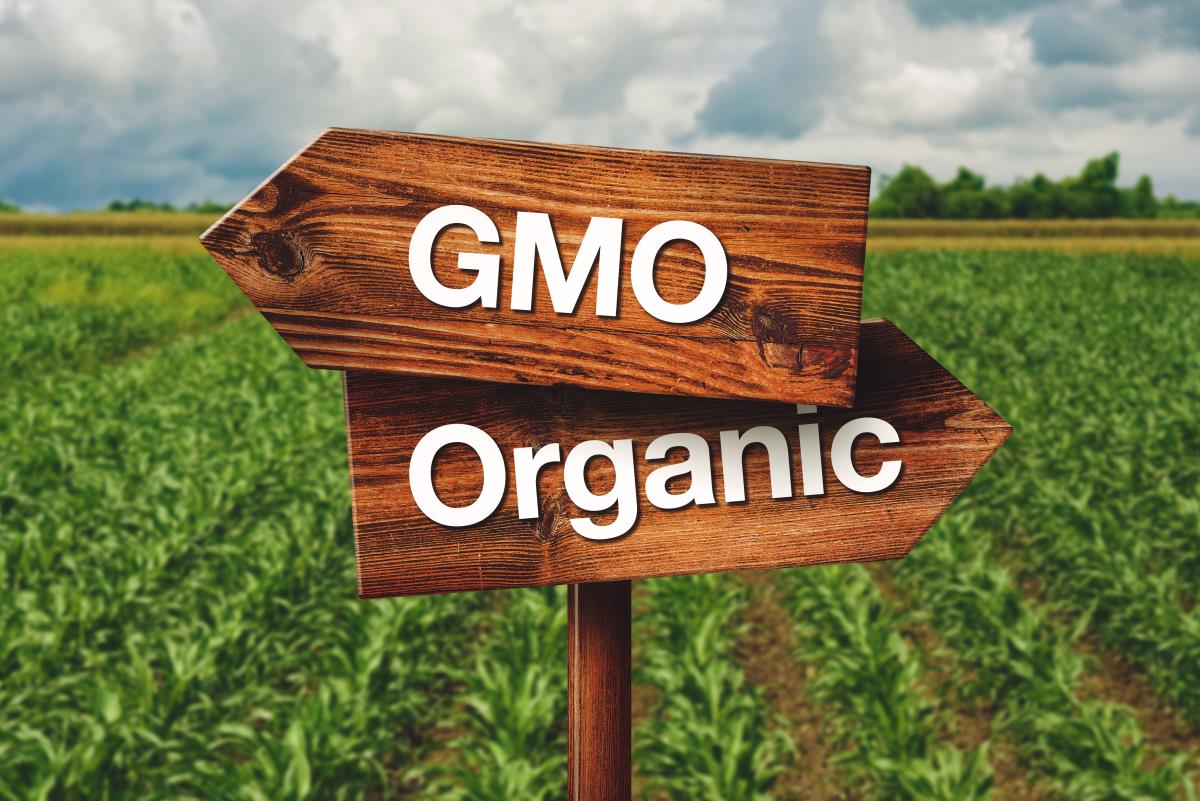
The researchers pose a fundamental question: “How we can support and stimulate the natural, incredible diversity of beneficial soil microbes instead of modifying them or stamping them out?” [1] This perspective aligns with regenerative and organic agricultural principles that prioritize soil biodiversity over technological intervention. [2], [3]
Conclusion and Paths Forward
The review concludes that the current trajectory of GMM development and release occurs within a regulatory vacuum, exposing human health and ecological systems to potentially irreversible harm. The authors advocate for a precautionary approach, stricter regulatory frameworks specifically designed for biological entities, and increased support for agricultural systems that work with, rather than against, natural microbiomes.
Independent analysts and advocates point to certified organic farming and traditional plant breeding as proven, lower-risk alternatives that build soil health and avoid the hazards of genetic engineering and associated synthetic chemicals. [1], [2] For individuals concerned about these risks, seeking out certified organic foods, supporting local regenerative farmers and gardening using organic principles are cited as actionable steps to protect personal health and support a food system less dependent on engineered organisms and chemical inputs.
References
- Genetically Modified Microorganisms Threaten Human and Soil Health; Full Extent of Hazards Not Regulated. – Beyond Pesticides Daily News Blog. March 17, 2026.
- Roundup Creates Antibiotic Resistance. – Mercola.com. Dr. Mercola.
- Mike Adams interview with Elaine SoilFoodWeb. – Mike Adams.
- Genetically Modified Soil Microbes May Have ‘Irreversible Consequences’ — New Report. – ChildrensHealthDefense.org. Brenda Baletti, Ph.D.
- Unlabeled and Unregulated’: Synthetic Milk Protein with 92 Unknown Compounds Used by More Than a Dozen Food Brands. – ChildrensHealthDefense.org.
- Genetic engineering in agriculture the myths environmental risks and alternatives. – Miguel A. Altieri.
- Genes trade and regulation the seeds of conflict in food biotechnology. – Thomas Bernauer.
- Genetically Modified Soil Microbes May Have ‘Irreversible Consequences’ — New Report. – ChildrensHealthDefense.org.
Submit a correction >>
Tagged Under:
biotechnology, cells, dangerous, engineered microbes, genetic lunacy, genetic modification, GMO, hazards, health systems, immune health, immune system, Microbes, microorganisms, pathogens, research
This article may contain statements that reflect the opinion of the author
RECENT NEWS & ARTICLES